The interview is where everything comes together — your experience, your preparation, and your personality. Whether it's a phone screening, a video call, or a face-to-face meeting, being thoroughly prepared gives you a significant edge over other candidates.
Before the Interview: Research
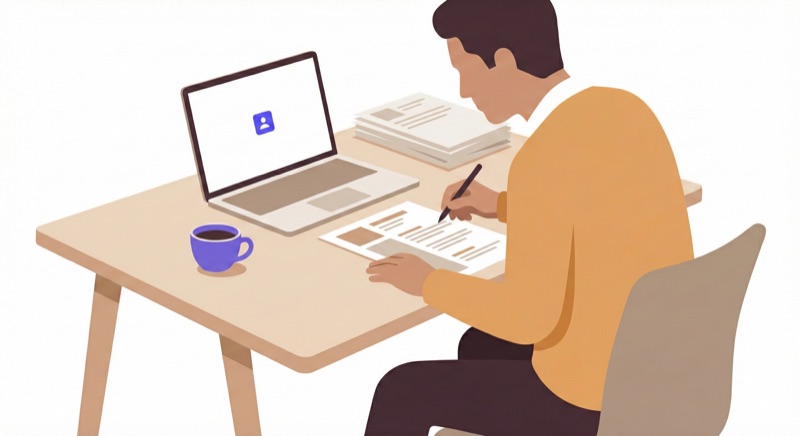
Start with the company. Read their website, recent news articles, press releases, and annual reports. Understand their products, services, market position, and competitors. Check LinkedIn for the interviewer's profile — knowing their background can help you build rapport. For Gulf-based companies, research the local business culture and any recent developments in the industry.
Prepare Your Answers
While you can't predict every question, some are almost guaranteed. Prepare structured answers for: "Tell me about yourself," "Why do you want this role?" "What are your strengths and weaknesses?" and "Where do you see yourself in five years?" Use the STAR method (Situation, Task, Action, Result) for behavioural questions to keep your answers focused and impactful.
Phone and Video Interviews
For phone interviews, find a quiet room with strong signal. Keep your CV and notes in front of you — the interviewer can't see them. Smile while you speak; it changes your tone of voice. For video interviews, test your camera, microphone, and internet connection beforehand. Dress professionally from head to toe (yes, even below the camera frame). Ensure your background is clean and well-lit.
The Day Of: Face-to-Face
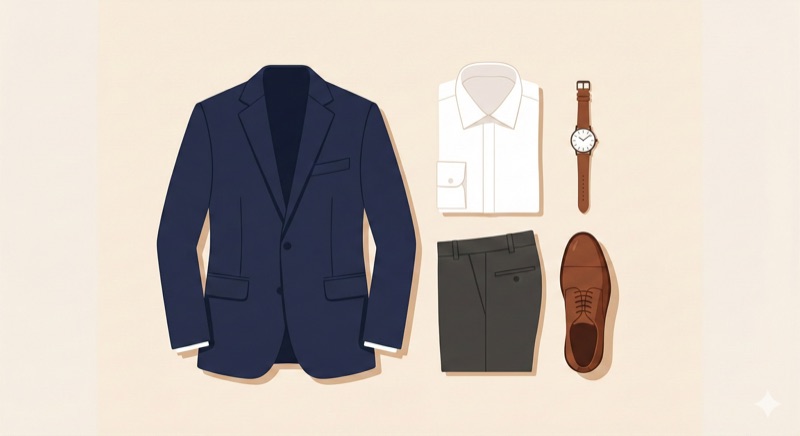
Arrive 10-15 minutes early. Bring printed copies of your CV, a notepad, and a pen. Turn off your phone completely. Greet everyone you meet politely — from the receptionist to the interviewer. Maintain eye contact, offer a firm handshake, and sit up straight. These basics sound simple, but nervous candidates often forget them.
Questions to Ask the Interviewer
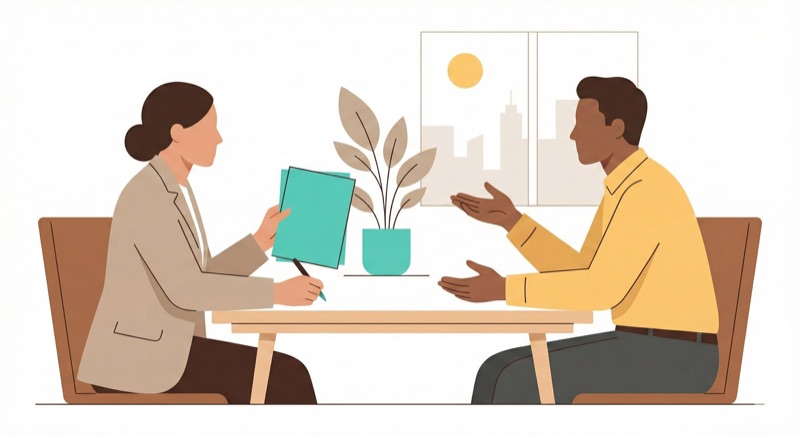
Always have questions ready. Asking thoughtful questions shows genuine interest. Good examples: "What does a typical day look like in this role?" "How is performance measured?" "What are the team's biggest challenges right now?" "What opportunities are there for professional development?" Avoid asking about salary in the first interview unless the interviewer raises it.
After the Interview
Send a brief thank-you email within 24 hours. Reference something specific from the conversation to make it personal. If you haven't heard back within the stated timeline, it's appropriate to send one polite follow-up email. Don't pester — patience shows professionalism.
Handling Rejection
Not every interview will lead to an offer. If you're turned down, ask for feedback. Many employers are willing to share why you weren't selected, and this information is invaluable for improving your next interview. Stay positive, stay persistent, and remember that the right role is out there.